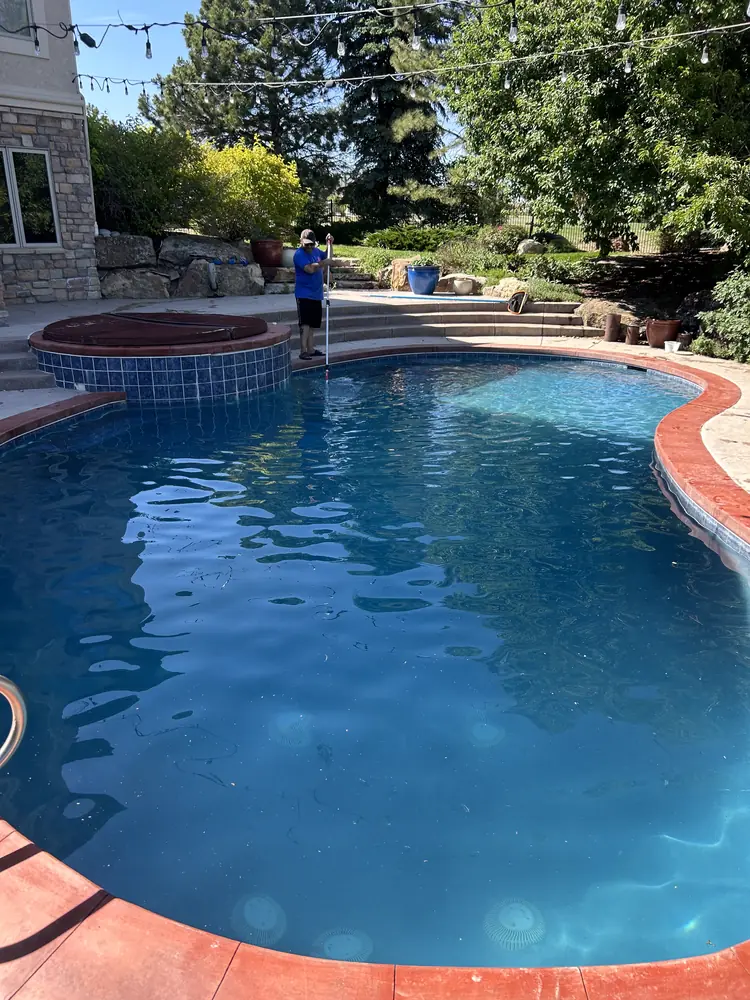
A pool that looks clear on the surface can still have chemistry problems, sediment buildup, and stressed equipment working against it. Our cleaning service covers everything — what you can see and what you can't.
A lot of pool cleaning services come down to a quick skim, a chemical top-up, and a note left on your gate. That's not what we do. Every visit from Pyle's covers the full system — surface and bottom, water chemistry, filtration, and a visual equipment check. The goal is a pool that's genuinely clean and properly balanced, not one that just looks okay until the next visit.
Colorado pools face specific challenges that require real attention: stronger UV at altitude burns through chlorine faster, temperature swings between morning and afternoon affect water balance, and organic debris from surrounding trees and landscaping puts constant pressure on filtration. Understanding those factors is the difference between a technician following a checklist and one who actually knows what they're doing.
pH, alkalinity, chlorine, calcium hardness, and stabilizer levels tested and corrected on every visit. We don't estimate — we test, read, and adjust based on actual numbers.
All floating debris removed from the water surface — leaves, insects, cottonwood, and anything else that's made its way in since the last visit.
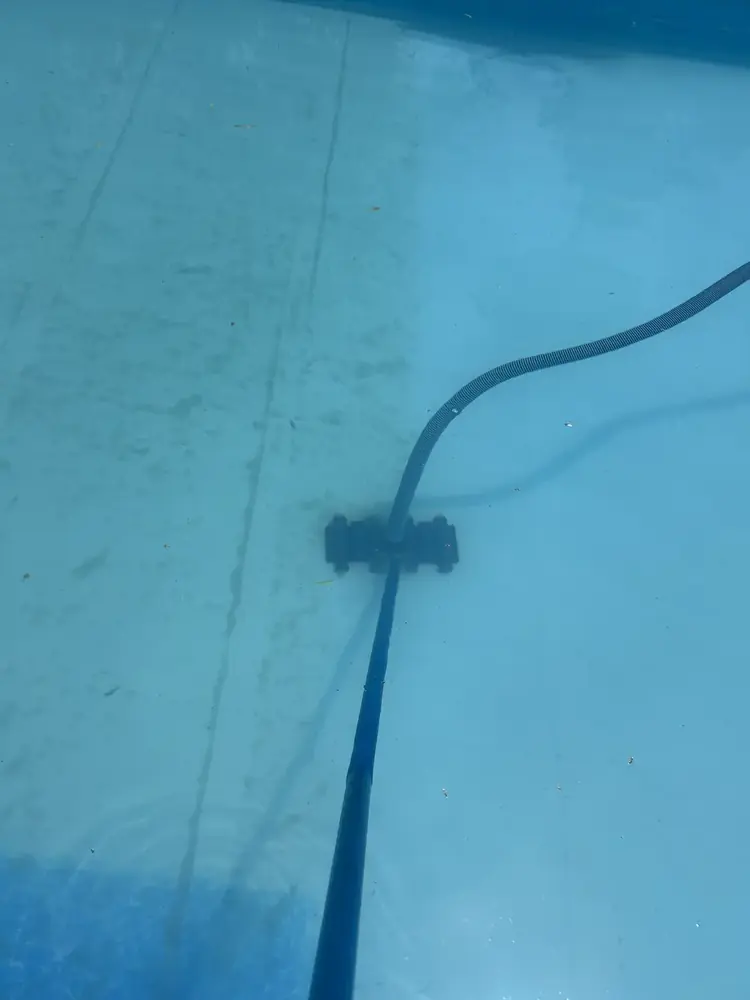
Bottom and walls vacuumed to remove settled dirt, sand, and debris that skimming can't reach. Sediment left on the bottom contributes to staining and cloudiness over time.
Walls, steps, and benches brushed to prevent algae from taking hold on surfaces. Algae starts as a thin film long before it's visible — consistent brushing stops it before it starts.
Both baskets emptied and cleared. Clogged baskets restrict flow and put unnecessary strain on your pump — something that adds up quickly in repair costs if ignored.
Pump, filter, heater, and visible plumbing checked on every visit. We flag anything that looks like it's developing a problem — catching issues early is far cheaper than emergency repairs.
A crystal-clear pool isn't always a safe or well-maintained one. Some of the most common and costly pool problems are invisible to the naked eye — and they're exactly what professional service is designed to catch before they become expensive.
Cyanuric acid builds up over time and neutralizes chlorine's effectiveness. You can add chemicals all day and get nowhere — the fix requires dilution or chemistry correction, not more sanitizer.
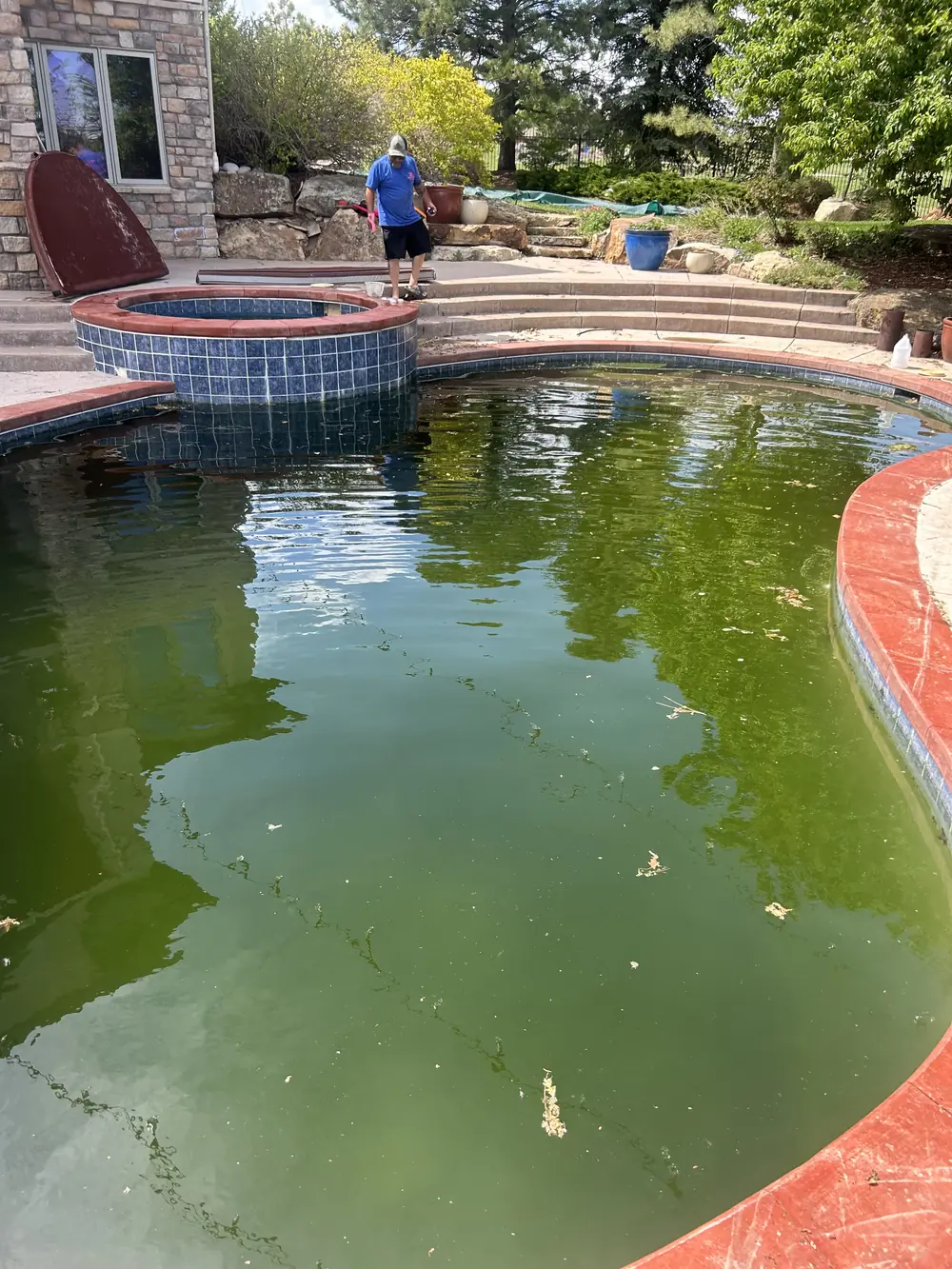
Algae starts as microscopic spores long before the water turns green. Consistent brushing, proper sanitizer levels, and phosphate management stop it at that stage.
High calcium hardness — common in Colorado's mineral-heavy water — deposits scale on surfaces and inside equipment. Left unchecked it narrows pipes and damages heater elements.
Sand and DE filters can develop channels over time that let water bypass the filter media entirely. The pressure gauge looks fine but filtration is compromised.
pH in outdoor Colorado pools shifts constantly — bather load, rainfall, UV exposure, and temperature changes all push it around. Acidic water corrodes equipment; high pH causes cloudy water and skin irritation.
Leaves, fertilizer runoff, and debris decomposing in pool water spike phosphate levels — the primary food source for algae. High phosphates mean algae blooms happen faster and recover slower.
How often your pool needs cleaning depends on usage, surroundings, and how it's equipped. Here's how most Denver metro homeowners land on a plan.
The right choice for pools in active use — especially if you have trees nearby, kids swimming frequently, or want to swim any day without wondering if the water's ready.
Works well for pools used less frequently, pools with good covers, or those in more sheltered locations with lower debris load. We'll give you an honest recommendation after seeing your setup.
No contracts, no commitments. Get a free quote and we'll recommend the right plan for your pool, your schedule, and your budget — before you spend a dime.